
Nominated for awards at the National Rail Awards, the National Transport Awards and the National Heritage Awards
At the time of writing the project has three award nominations for "Infrastructure project of the Year"
Reworking the whole delivery concept
Liverpool Street Station Roof Refurbishment
PROGRAMME REDUCTION
33 months
COST SAVINGS
£18+m
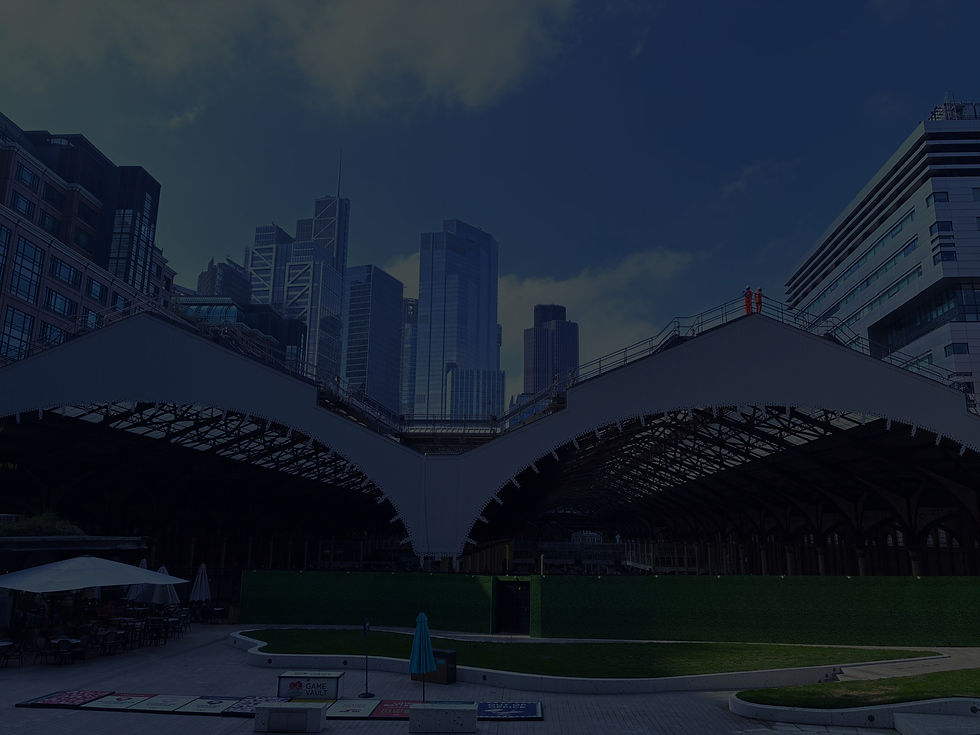
Spanning 30,000 m² across Britain’s busiest transport hub, Liverpool Street Station’s roof combines an 1870s Victorian train shed with a 1980s expansion. When the aging roof fabric and drainage reached the end of their operational life, the initial renewal scheme stalled due to soaring costs and logistical complexity. Stepping in to reshape the project, PACE Rail engineered a radically streamlined delivery strategy. By implementing vertical segregation, the team significantly reduced dependency on rail possessions, kept passenger disruption to an absolute minimum, and cut 33 months from the original schedule. Despite four large moving scaffold decks operating in the station roof rafters, the project became almost unnoticeable to the traveling public until the lighting in the station was dramatically improved.
.jpeg)
The project, background and
The Need for Change
Liverpool Street Station, one of Britain's busiest transport hubs, faced significant challenges to its ageing roof system. Water ingress and an increasing number of cracked glass panels necessitated a comprehensive renewal project. The roof area covers two principal sections: the old roof over platforms 1-10 and the main roof transept, along with the new roof covering the concourse and adjoining areas. In 2022, the project was halted and placed under review due to significant concerns about escalating costs and disruptive methodology. The original delivery approach relied on a substantial vertical scaffold access system erected from the station platforms and service road, which presented several critical issues:
Platform Constraints
Scaffolding severely restrict passenger flow, hinder management of Persons with Reduced Mobility (PRM), and negatively impact emergency evacuation times on the platforms.
Operational Disruption
Installing and removing the scaffolding was estimated to require over 4,000 hours of possession access, causing significant disruption to railway operations.
Scope Uncertainty
The full scope of the roof work was not precisely defined before commencing the scaffold work, leaving significant cost risks. Recognising these challenges, Capital Delivery recommended a fundamental change in the project's delivery methodology and organization, based on a thorough assessment of alternatives, market testing, specialist consultation, and a return to core project management principles.
WHAT WE DID
Strategies and Innovation
Sliding Deck System
Replacing the traditional vertical scaffold approach with lightweight sliding decks that provided vertical segregation of works - meaning the majority of critical path work could progress with near-zero passenger and operational impact. The decks didn't require isolation to move, and load is transferred close to columns, overcoming previous structural constraints. This single innovation delivered significant cost savings and removed over 6 months from the programme
Expedited Procurement via SCAPE Framework
The project needed rapid access to proven supply chain experience. Traditional procurement timelines were too slow given budget pressures. Using the Public Sector procurement framework SCAPE gave access to relevant suppliers within a week, while meeting compliance requirements and bringing economies of scale from a £2bn target spend framework.
Launch Jetty from Exchange Square
Rather than erecting and demobilising the sliding decks from inside the station, the team created an access and launch jetty from outside the station. This dramatically reduced the scaffold access required within the station itself, with approximately 75% less isolation access needed compared to the previous approach. This solved the platform evacuation challenge. This innovative approach saved 12 months of the total programme
Understanding the Asset Condition
A full asset condition survey using high-reach spider MEWPs and drone technology challenged what was previously considered possible. This allowed the engineering team to make informed decisions on investment value - removing structure refurbishment from scope, extending roof fabric life, and adding drainage scope with confidence. The result was a significant programme reduction
Collaboration with Property Colleagues
The team secured cross-business support to negotiate land access for Exchange Square. By leveraging a major legal agreement with an adjacent developer—who was already negotiating air rights with Network Rail—the project secured far more space than a sole agreement would allow, at a fraction of the cost.
Implementation of Aikido
Liverpool Street station had a number of projects within the whole programme of works and many key stakeholders. Aikido Intelligent Control platform was implemented as part of PACE's contract to provide a digital project management and reporting platform that ensured there was centralised control, accessibility to project statistics and planning by stakeholders and integrated project management and planning between the project team and suppliers

Implementing Success
Reimagining delivery methodology in Britain's busiest station
Reliable Expert Advice: Access to expert advice for critiquing concepts and providing alternative options was crucial.
Change Management:
Effective stakeholder engagement, communication, and a strong value case were essential.
Leadership Support:
Strong leadership support enabled project progression, particularly in managing cost exposure during phased implementation.
Determination and Perseverance:
The team's resilience was vital in overcoming numerous challenges.
Creativity and Innovation:
A creative approach was essential for undertaking assessments without scaffolding.
Robust System Safety:
Prioritising safety and minimising risk to passengers and the operational environment was paramount.